How to Do Keyword Research for SEO Long Tail & Short Tail Guide
Open Google and start typing any question. Before you finish, you'll notice suggested searches appearing instantly. Those suggestions come from real searches made by millions of people.
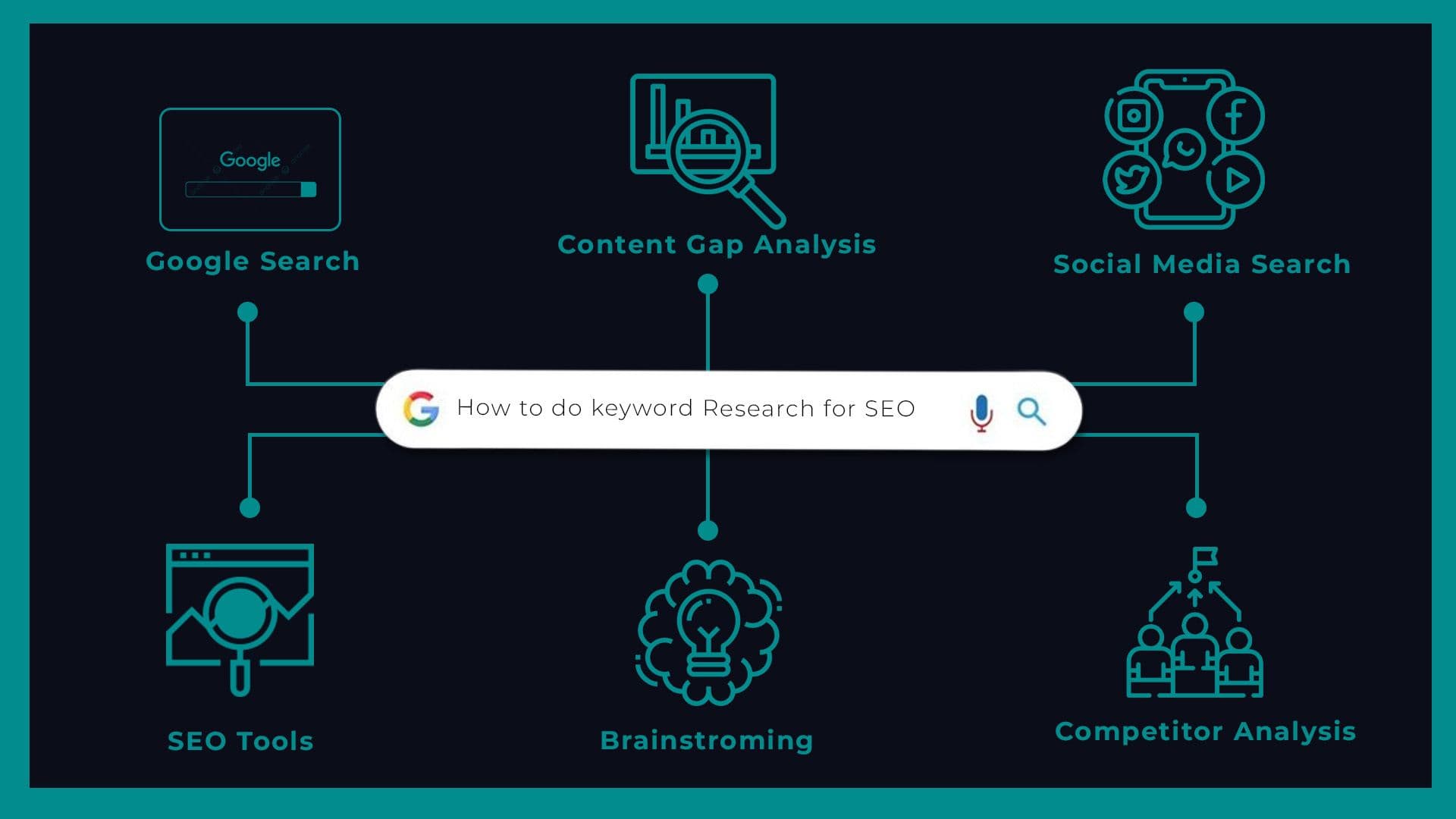
Open Google and start typing any question. Before you finish, you'll notice suggested searches appearing instantly. Those suggestions come from real searches made by millions of people.
That’s basically what keyword research is for. It lets you get a feel for what your audience is actively hunting for so you can build the content they actually want.
Here we’ll go over short tail and long tail keywords and show you how to research them in a practical way. You’ll also learn which mistakes to avoid and how to monitor your SEO results.
Key Takeaways
- Keyword research powers every SEO strategy.
- The short tail keywords bring volume, and long tail keywords bring intent.
- The right keyword mix balances traffic and conversions.
- Free and paid tools both help uncover valuable search terms.
- Grouping keywords into clusters improves topical authority.
- Regular tracking keeps your strategy relevant and effective.
Why Keyword Research Matters for SEO?
Keyword research reveals real search terms used by your audience. It helps you plan content with confidence instead of guessing.
If you skip it, you might end up writing pages and posts that nobody ever looks for, and honestly, you burn time and budget.
With the right kind of research, each blog post, landing page, and product listing can go after real demand, which then pulls in more qualified organic visits and a stronger match to search intent.
Short Tail Keywords Explained
Short tail keywords, also known as head terms, are pretty broad phrases with one to two words, like “SEO tips” or “digital marketing." They tend to have high search volume, but almost no real context about what the searcher actually wants.
Pros:
- High search volume
- Broad audience reach
- Strong brand visibility
Cons:
- High competition
- Low conversion intent
- Harder to rank quickly
Best Use Cases
Broad website pages and brand awareness campaigns benefit most from short tail keywords. They help attract more visibility, even if conversions come later.
Long Tail Keywords Explained
Long tail keywords are basically longer, very specific phrases, often three or more words, like “how to do keyword research for beginners.” They reach a niche audience with fairly clear search intent.
Pros:
- Lower competition
- Higher purchase or click intent
- Better conversion rates
Cons:
- Lower individual search volume
- Requires more content to cover all variations
Best Use Cases
Blog posts and product pages tend to work really well when you use long tail keywords. They’re also quite ideal for natural speech based searches, and they help the whole thing feel less forced, more subtle and related.
Short Tail vs. Long Tail Keywords: Key Differences
Both keyword types play a role in a balanced SEO strategy. Neither works well alone.
Short tail keywords build authority and visibility across a wide audience. While long tail keywords capture ready-to-act visitors. Balance your content by using short tail terms for pillar pages and long tail terms for related posts.
| Features | Short Tail | Long Tail |
|---|---|---|
| Search Volume | High | Low to Moderate |
| Competition | High | Low to Moderate |
| Search Intent | Broad | Specific |
| Funnel Stage | Awareness | Consideration / Decision |
| Best Use Case | Category Pages | Blog Posts, Product Pages |
Start with short tail keywords for your main content. Then use long tail keywords to capture targeted search traffic.
8 Steps Guide to the Keyword Research Process
Start with a few simple steps to build your effective keyword research strategy. Here they are:
Brainstorm Seed Keywords
Mark down general industry related terms. Add products, services, and frequently asked questions by customers.
These keywords serve as the foundation for more in-depth investigation using competitor analysis and keyword tools.
2. Understand Your Audience & Search Intent
Learn why people are searching before creating content. They may want answers, compare options, or buy something.
Matching your pages to search intent improves user experience and increases ranking opportunities.
3. Use Keyword Research Tools
Mix free and paid tools to dig up search volume, difficulty, and the neighboring terms or phrases.
Checking across several sources, in the same breath, ends up giving more accurate and more dependable keyword intel for your content planning.
| Free |
Google Keyword Planner, Google Trends, AnswerThePublic |
Beginners, Quick Research |
| Paid |
Ahrefs, SEMrush, Moz |
Competitor Analysis, Keyword Difficulty Scores |
4. Analyze Competitor Keywords
Look up which keywords your competitors already get ranked for. It reveals weak areas in competitor content and hidden opportunities. Use these insights to build pages that rank higher than existing results.
5. Evaluate Search Volume, Difficulty & Relevance
Choose keywords that offer solid search volume with manageable competition. This gives you a better chance of ranking successfully.
Relevance is the big deal. A smaller keyword that fits your niche is often more valuable. It helps attract visitors who are genuinely interested.
6. Mix Short Tail and Long Tail Keywords
Combine both types across your content plan. Short tail keywords target pillar pages, while long tail variations support them, capturing broader and more specific search queries together.
7. Group Keywords into Topic Clusters
Try to sort related keywords into tight little clusters around the main, core topic thing.
This “topic clustering” structure reinforces your topical authority, and it also helps search engines get a clearer understanding of what your site’s expertise actually is.
8. Map Keywords to Pages/Content
Assign each keyword or cluster to a specific page. When multiple pages compete for one keyword, search engines struggle to choose the right page. This can lower your overall rankings.
How to Find Short Tail Keywords?
Start with your core products, services, or industry terms, like the broadest words people would search first. Check Google autocomplete for one or two word suggestions, and review category pages on competitor sites.
Keyword tools highlight head terms with the highest search volume. This helps you identify broad keywords that can drive more traffic.
How to Find Long Tail Keywords?
Use autocomplete suggestions, "People Also Ask" boxes, and related search sections on Google. Community platforms like Reddit and Quora reveal real customer language.
Most keyword tools include filters for long tail keyword ideas. These filters reveal the natural questions and conversational searches your audience uses every day.
How to Analyze Keyword Competition & Search Intent?
Understanding competition and intent prevents wasted effort on unwinnable or irrelevant keywords.
- Examine high ranking content for its quality, organization, and word count.
- Research competitor authority by reviewing backlinks and domain strength.
- Understand if users are looking for information, services, or products.
- Choose a content style that matches successful search results.
- Make your content stronger than competitors'.
- Analyze featured snippets and PAA boxes for ideas.
Common Keyword Research Mistakes to Avoid
Avoid these mistakes to improve SEO results.
- Ignoring search intent behind your keywords.
- Chasing difficult keywords over easier long tail ones.
- Forcing keywords into content instead of using them naturally.
- Avoiding competitor analysis and missing valuable ranking ideas.
- Leaving keyword lists unchanged even when trends evolve.
- Trusting a single keyword tool instead of verifying the data elsewhere.
How to Track and Refine Your Keyword Strategy?
Tracking keeps your strategy aligned with changing search behavior and results.
- Monitor rankings weekly using tracking tools.
- Review organic traffic and click through rates.
- Update underperforming content with fresh keywords.
- Watch for seasonal or trending search shifts.
- Refine topic clusters based on new opportunities.
Conclusion
Keyword research is kind of an ongoing process, not just something you do one time and then forget. It actually molds your whole SEO strategy over time, bit by bit.
Finding a good balance between short tail phrases and long tail keywords helps your content land with the right crowd. When your pages line up with search intent, they draw more qualified visitors, instead of random clicks.
Keep monitoring how your keywords perform. Make changes when needed to boost rankings and steady organic traffic.

Usama Shareef
Usama Shareef is the COO of Mahraj Technologies, bringing strong expertise in SEO content writing, software QA, and development testing. He specializes in delivering high-quality digital solutions with a focus on performance, accuracy, and scalable growth