Custom Development AI Chatbot That Answers Your Customers' Questions
Customers don’t really like waiting for answers anymore. Like 70% or so now expect a response within minutes, not hours. A lot of businesses still can’t quite match that pace with human support only.
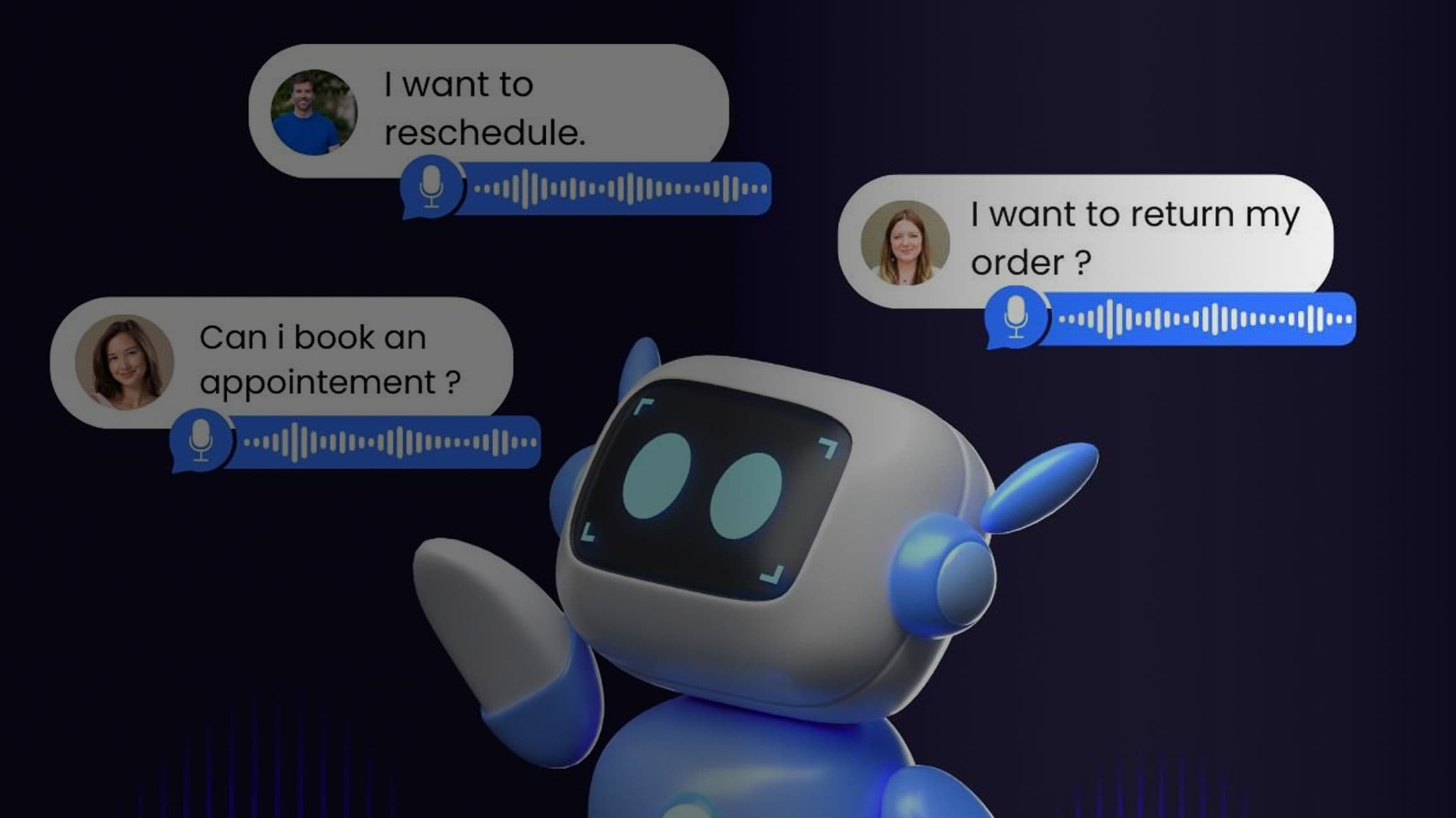
A custom development AI chatbot that answers your customers' questions helps close that gap. It replies quickly, never really takes a break, and also improves the whole customer experience.
In this guide, you’ll see how these modern AI chatbots work, how they interpret questions, and how they’re built from the ground up.
Key Takeaways
- A custom chatbot is trained on your actual business data, not generic scripts.
- It reads customer intent using NLP and keeps context across the chat.
- It connects directly to your CRM, knowledge base, and booking systems.
- This chatbot resolves FAQs, tracks orders, and troubleshoots problems instantly.
- It keeps learning from every conversation it has.
- It cuts support costs while improving response speed and accuracy.
What Is a Custom AI Chatbot?
A custom AI chatbot is built specifically around your business, not pulled from a generic template. It's trained on your products, policies, and real customer conversations.
Your AI chatbot understands how your business communicates. It provides consistent support without wait times, sick days, or changing shifts.
How Do Custom AI Chatbots Differ from Generic Chatbot Templates?
Generic templates run on fixed scripts. A properly built chatbot adapts to your business instead of forcing it to fit its script.
- Personalization: Every response matches your brand voice and business rules. It is built for your business, not from a standard template.
- Accuracy: It understands your business through real data. So customers receive precise answers instead of generic chatbot responses.
- Scalability: As your business expands, it scales with you. More traffic and products won't slow your store down.
How Do Custom AI Chatbots Understand Customer Questions?
Understanding a question takes more than matching keywords. A well built bot relies on three technologies working together.
Natural Language Processing
NLP breaks sentences into actual meaning. It handles typos, slang, and the different ways people ask the same thing. So, “Where’s my order?” and “Track my package” end up as the same kind of request, even if the wording feels slightly off.
Intent Recognition
The system automatically notices what the customer is trying to do, it figures it out in real time. It then routes questions, complaints and purchase requests toward the best fitting reply, kind of like a helpful assistant.
Context Retention Across Conversations
A good chatbot keeps in mind the earlier messages in the same conversation, you know. Once you share an order number, it remembers it for the rest of that chat, not later. Customers don’t really have to type in the same details again, like, over and over, seriously.
Key Components of a Custom Development AI Chatbot That Answers Your Customers’ Questions
Behind every accurate reply sits a system of connected parts:
Knowledge Base Integration
The chatbot pulls answers from your FAQ pages and policy pages, so every reply stays current. It kind of keeps things in sync and updated.
Machine Learning Models
These models learn from past chats, improving precision without you needing constant manual reprogramming. Basically, they sharpen accuracy over time, so it’s not only guesswork anymore.
API and CRM Connectivity
When the bot is linked to your CRM, it can grab real time order and account info while you chat.
Multi-Channel Deployment
A steady bot runs across your site, WhatsApp, and Messenger, so answers stay close to the same in every place.
How Are Custom AI Chatbots Trained on Business-Specific Data?
Training begins with real data, past support tickets and FAQs, plus product catalogs too. The model looks at the shapes in these exchanges, and then it fine tunes its answers gradually, over time.
This is exactly what separates a custom development AI chatbot that answers your customers' questions from an off-the-shelf tool, it actually knows your business inside out.
Types of Customer Questions AI Chatbots Can Handle
A well trained bot handles far more than basic queries, covering nearly every stage of the customer journey.
FAQs and Product Information
Bots answer repetitive questions instantly, like pricing or return policies, freeing agents for complex tickets.
2. Order Status and Tracking
Customers ask, "Where's my order?" constantly. A connected bot pulls live tracking data instantly, no human needed.
3. Troubleshooting and Support Queries
Chatbots can provide clients with detailed troubleshooting help when they come across technological issues. In reality, around 60% of those everyday problems are resolved without requiring human contact.
4. Appointment or Booking Requests
From looking at the open slots to firing reminders, these little bots do pretty much the whole booking process, step by step. They end up saving time and also reduce the amount of manual work you’d have to do.
Benefits of a Custom AI Chatbot for Customer Support
A custom chatbot brings real, measurable value to support operations:
- Faster response times, any hour of the day.
- Lower support costs, fewer large agent teams needed.
- Consistent answers across every channel.
- Better customer satisfaction through instant replies.
- Clear insights into common customer concerns.
- A genuine custom development AI chatbot that answers your customers' questions, built to handle real growth, not just simple scripts.
Common Challenges in Developing a Custom AI Chatbot
Building a strong chatbot isn't without obstacles:
- Collecting enough quality data to train the model properly.
- Handling complex or unusual questions accurately.
- Integrating smoothly with existing CRM systems.
- Keeping the bot updated as policies change.
- Balancing automation with a human-like tone.
Steps Involved in Custom AI Chatbot Development
Building a reliable chatbot follows a clear, structured process.
Requirement Analysis
This stage defines what the chatbot needs to do, which questions to handle, and what success looks like for the business.
2. Data Collection and Training
Teams gather past chats and product data, then use it to train the model. This step shapes how accurate the chatbot will be.
3. Integration with Existing Systems
The chatbot connects with your CRM, inventory, and payment systems. It works with real business data instead of making assumptions. This helps it provide more accurate answers and complete tasks reliably.
4. Testing and Continuous Learning
The bot performs experimental testing, real conversation simulations, and feedback loops for continuous improvement before launch. This is where a genuine custom AI chatbot creation method shines.
How Do Custom AI Chatbots Improve Over Time?
Every conversation kind a teaches the chatbot something new, like it picks up extra clues. As it processes more chats, it refines intent detection and somehow errors drop off over time.
Businesses that regularly review performance tend to get better outcomes, little by little. The AI chatbot learns from fresh data, and it gets more precise with its guesses. Unlike those static bots, it keeps getting smarter, instead of staying the same.
Conclusion
A custom development AI chatbot that answers your customers' questions isn’t only some support tool, it’s a long run investment in customer experience.
It starts learning your business, it catches the meaning behind real questions, and it gets sharper with each new conversation.
The best chatbots keep customers calm and honestly make your team stay focused on the things that matter most, instead of being slowed down by repeat issues.

Usama Shareef
Usama Shareef is the COO of Mahraj Technologies, bringing strong expertise in SEO content writing, software QA, and development testing. He specializes in delivering high-quality digital solutions with a focus on performance, accuracy, and scalable growth