How to Build Business Sales Funnel Strategy That Increases Conversions?
Two shops open their doors every morning. One is full of visitors who leave without buying. The other has fewer customers, but most complete a purchase. Success comes from the right sales approach, not more traffic.
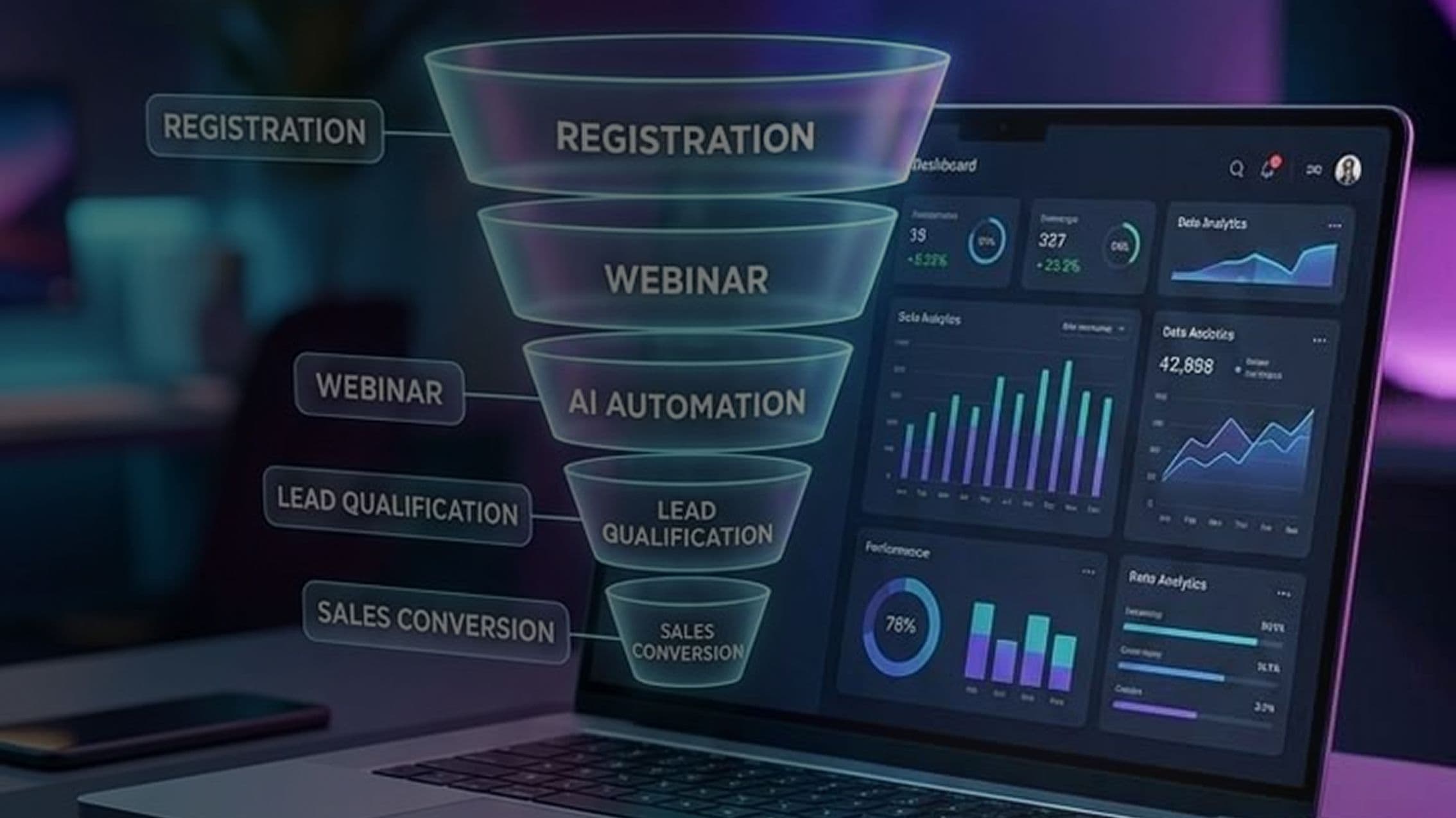
The difference isn't luck. It's a system. That system is what a business sales funnel strategy does for your business online. This guide covers every stage of a sales funnel. It also shares practical steps, mistakes to avoid, and helpful tools.
Key Takeaways
- A sales funnel guides customers through every buying stage.
- Quality leads convert better than large audiences.
- Valuable content builds trust and encourages action.
- Automation saves time and improves lead nurturing.
- Regular optimization increases conversion rates.
- Data helps improve every stage of the funnel.
Key Stages of a High-Converting Business Sales Funnel
A strong funnel doesn't happen by chance. It follows a clear route that really matches how folks make purchasing decisions in real life, step by step. When you look closely, it’s not random at all, it’s guided.
Awareness Stage
This is how buyers first learn about your brand. They might discover you via a search engine, social media, or blog post. The whole point is pretty basic, grab attention quickly and start building trust fast.
Interest Stage
Once someone knows you exist, they start exploring. Like, they read a bunch more content, or they check your website, then compare you with others too. This stage is about showing value and answering early questions.
Consideration Stage
Here, prospects seriously weigh their options. They go through reviews, compare the costs, and look for proof you actually deliver real outcomes. Right now, case studies and testimonials do the trick pretty well, too.
Decision Stage
This is basically the final push. The buyer is set to act, but they still need some kind of plain reason, like why you are over everyone else. A solid offer, a very clear call to action, or a short-lived deal that feels urgent, that kind of thing usually finishes it.
7 Step Guide to Building a Business Sales Funnel Strategy
Making a funnel that actually works takes planning, not guessing around. Go through these steps and you’ll have a kind of setup that gently turns visitors into paying customers, instead of just hoping.
1. Define Your Ideal Customer
Start by figuring out who it is you actually want to reach, like really, not just loosely. Get a grip on what they’re trying to do, what’s getting in their way, how they buy, and what they prefer. Then aim for the proper audience with a crisp customer profile. This improves lead quality and marketing results.
Focus on:
- Customer demographics
- Pain points
- Business needs
- Buying behavior
- Preferred communication channels
2. Set Clear Business Goals
Your funnel is supposed to back up measurable business goals. Before you launch those campaigns, define what “success” is actually gonna look like. When the goals are clear, you can watch how things are going and also tweak the results over time, so the performance improves.
Examples include:
- Increase qualified leads
- Improve conversion rates
- Grow online sales
- Boost customer retention
- Increase average order value
3. Deliver Valuable Content Throughout the Funnel
Different buyers need different information throughout their journey. Educational resources build interest and trust. Success stories help prospects choose your solution confidently.
Create content such as:
- Blog articles
- Videos
- Case studies
- Product guides
- Free resources
- Customer success stories
4. Capture Qualified Leads
Once folks start engaging with your content, try to engage them to share their contact details. You know, give something worthwhile back, a free consult, maybe a downloadable handbook, or even a product demo.
Effective lead magnets include:
- Free eBooks
- Checklists
- Templates
- Webinars
- Product demos
- Free consultations
5. Nurture Leads with Email & Marketing Automation
Not every visitor is really ready to buy right away. With automated emails, you keep your business in front of possible customers, it sorta stays on their mind. It also helps to build trust, and it guides people step by step toward that decision.
Automation can help you:
- Send welcome emails
- Share helpful resources
- Recommend products
- Follow up automatically
- Re-engage inactive leads
6. Optimize Landing Pages and CTAs
Your landing pages need to feel easy enough that visitors can actually take action. Try to keep your message clear, and your forms sort of simple, not overly complicated. Strong CTAs really matter too, because they help more people follow through.
Optimize by:
Writing clear headlines
- Using strong CTAs
- Simplifying forms
- Improving page speed
- Adding customer testimonials
7. Measure Performance and Improve Continuously
The best sales funnels are always improving, somehow. Regularly monitor your data to identify areas of weakness and improve each phase of the process for improved outcomes. Even small adjustments can lead to surprisingly big gains in conversions.
Track important metrics like:
- Conversion rate
- Cost per lead
- Click-through rate
- Bounce rate
- Customer acquisition cost
- Sales revenue
Common Business Sales Funnel Mistakes to Avoid
Even a well planned funnel can fail if small mistakes go unnoticed. Here are the errors that quietly hurt conversions.
- Not designing your funnel for mobile traffic.
- Collecting unnecessary details through lengthy forms.
- Moving directly to sales without nurturing leads.
- Using generic email campaigns for every audience.
- Making CTAs difficult to understand.
- Leaving landing pages unoptimized.
- Ignoring leads after their first interaction.
Best Tools for Building a Business Sales Funnel Strategy
The right software makes funnel building faster and far more manageable, even for small teams.
- HubSpot keeps your CRM, emails, and landing pages organized.
- ClickFunnels helps launch sales funnels with minimal effort.
- Mailchimp manages lead nurturing through automated emails.
- Google Analytics tracks user journeys and conversion data.
- Hotjar identifies user experience improvements with heatmaps.
- Unbounce builds landing pages focused on generating more leads.
- Zapier integrates your favorite tools and automates routine tasks.
Conclusion
A strong business sales funnel strategy takes time to build. It doesn't have to be complicated to deliver results. Learn what your audience needs most. Share the right message throughout their buying journey.
After that, keep an eye on what happens, patch the weaker areas, and continue to experiment. Over time, those small tweaks and refinements, they really do stack up into meaningful growth.
Start shaping your funnel now, and see casual visitors slowly shift into trusted, loyal paying customers.

Usama Shareef
Usama Shareef is the COO of Mahraj Technologies, bringing strong expertise in SEO content writing, software QA, and development testing. He specializes in delivering high-quality digital solutions with a focus on performance, accuracy, and scalable growth